Consulting
Bring us a real workflow. We research it, architect it, and build the internal tool — your team owns it when we're done.
Learn More arrow_forward
Agentic AI is democratizing access to engineering workflows that used to require a full in-house team. AutoNateAI brings that capability directly to Sikeston and the rest of Southeast Missouri — real internal tools, built fast, priced for a business your size, not an enterprise vendor contract.
Whether you want us to build it, want your team trained to build it, want to watch it happen first, or want to learn the fundamentals yourself — there's a starting point here.
Bring us a real workflow. We research it, architect it, and build the internal tool — your team owns it when we're done.
Learn More arrow_forwardA custom, on-site training engagement for your team — they leave with 3 real internal tools built for your business.
Learn More arrow_forwardFree, live, every week — watch a real internal tool get built for a different regional industry, no cost to attend.
Learn More arrow_forwardA free library of technical courses for sharpening your own skills, with Discord support built in.
Learn More arrow_forwardNot a made-up case study — the business, school, or nonprofit you already know around town. Requirements become data models, decisions become components, Git protects every experiment, and every AI-generated change gets reviewed, not blindly trusted. The system has to actually work for someone here, not just demo well — and agentic AI means we can build it for a fraction of what it used to cost.
Every engagement is a real system for a real Southeast Missouri organization: databases, APIs, architecture, and the tradeoffs that come with an actual business depending on it.
Working versions committed, diffs reviewed, changes recoverable — a repo history that explains exactly what was built and why, not a black box.
Relational and graph data models for your organization's actual data, a real API, and architecture documented so your team can maintain it.
The Discord is open all day, every day — for anyone working through the free courses, anyone in a training engagement, and anyone who's been through either.
Each course is a standalone, story-driven guide following Nate and Kai as they build AutoNateAI from a meetup back room to a real, shipped system. Read one, or read all four — no cost, no catch.
These four pillars are the same foundation our training engagements and Build Labs build on — the fundamentals behind every internal tool we ship for a real Southeast Missouri organization.
 Available Now
Follow Nate and Kai — one self-taught builder, one civic-tech idea with nowhere to go — from a meetup back room to their first working JavaScript. Six chapters. Real code, real diagrams, real banter, no fluff.
 Available Now
Hand-coding everything doesn't scale for two people building a studio. Nate and Kai start directing an AI agent and both get burned in different ways, until they learn that prompting and context are real skills, not just typing a question.
 Available Now
Contacts, ideas, and feedback from every meetup are scattered across notes and memory. Nate and Kai build a real database to track them: tables, SQL, and a graph model for when the relationships get too tangled for rows and columns.
 Available Now
Prompting, context, and data — the studio has the skills now. This pack turns them outward: reading a real RFP, researching the organization behind it, and sketching a real system for the exact civic problem that started it all.
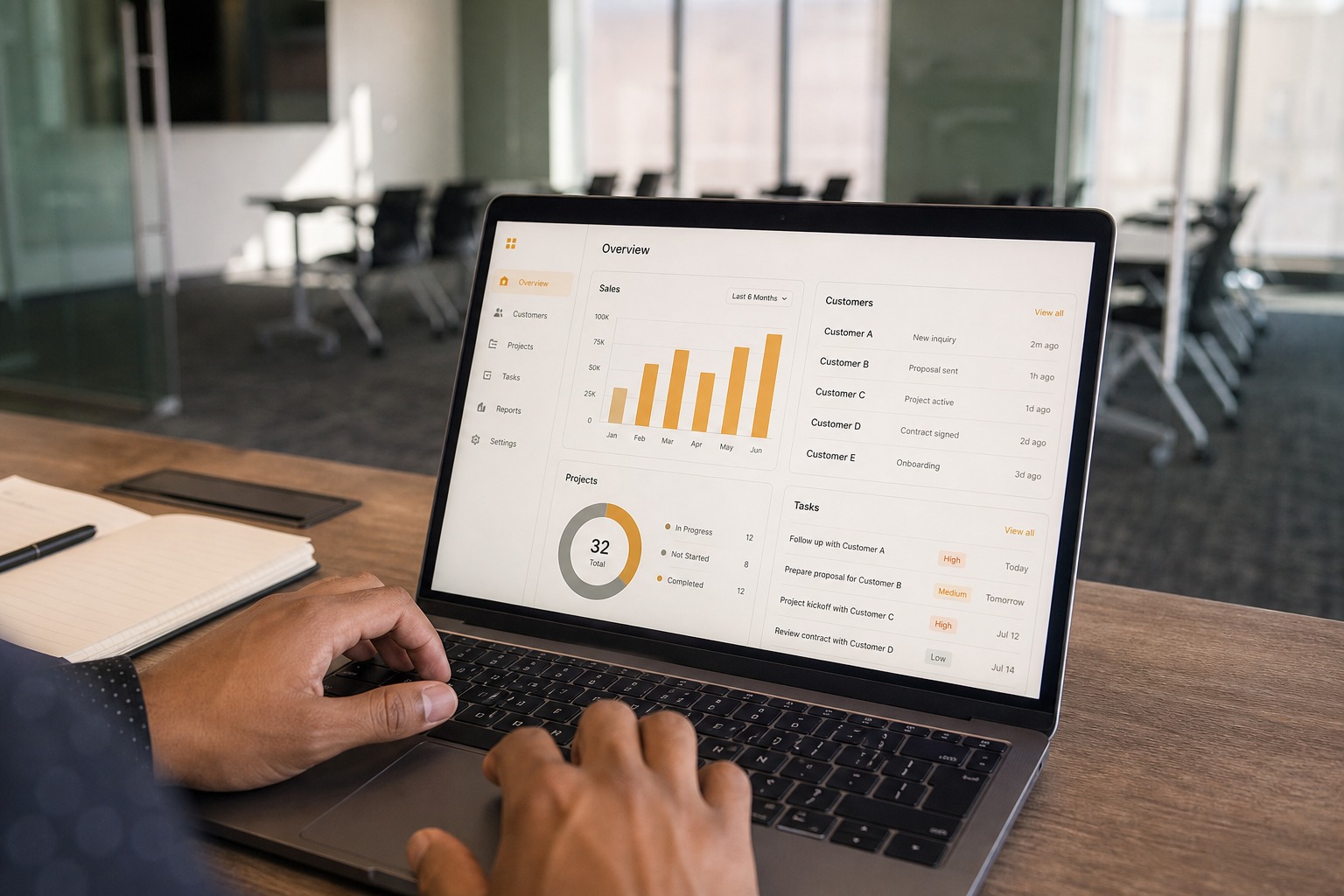
See whether an architecture like yours can hold up — before you commit to anything.
This is the methodology behind everything AutoNateAI ships: a real workflow from a real Southeast Missouri organization, researched, architected, and built into working software — with the people who'll actually use it in the room.
Get help with the free courses, get help during a training engagement, or get help designing and building a system you've already got an idea for. It's open all day, every day, not just during scheduled sessions.
Every path teaches and ships the same skill, pointed at real Southeast Missouri organizations — the difference is just who's driving.
We write up research on AI adoption in Southeast Missouri, notes from real engagements, and behind-the-scenes looks at how these systems actually get built.

Missouri's 2026 Technology2030 report says technology talent is needed across every industry, not just tech companies. The fastest way to act on that locally is to build the capability inside your own team.

Sikeston already has a workforce-development ecosystem connecting the Chamber, schools, SEMO, Three Rivers, and programs like SOAR. AI-agent systems training is a natural next rung on that same ladder.
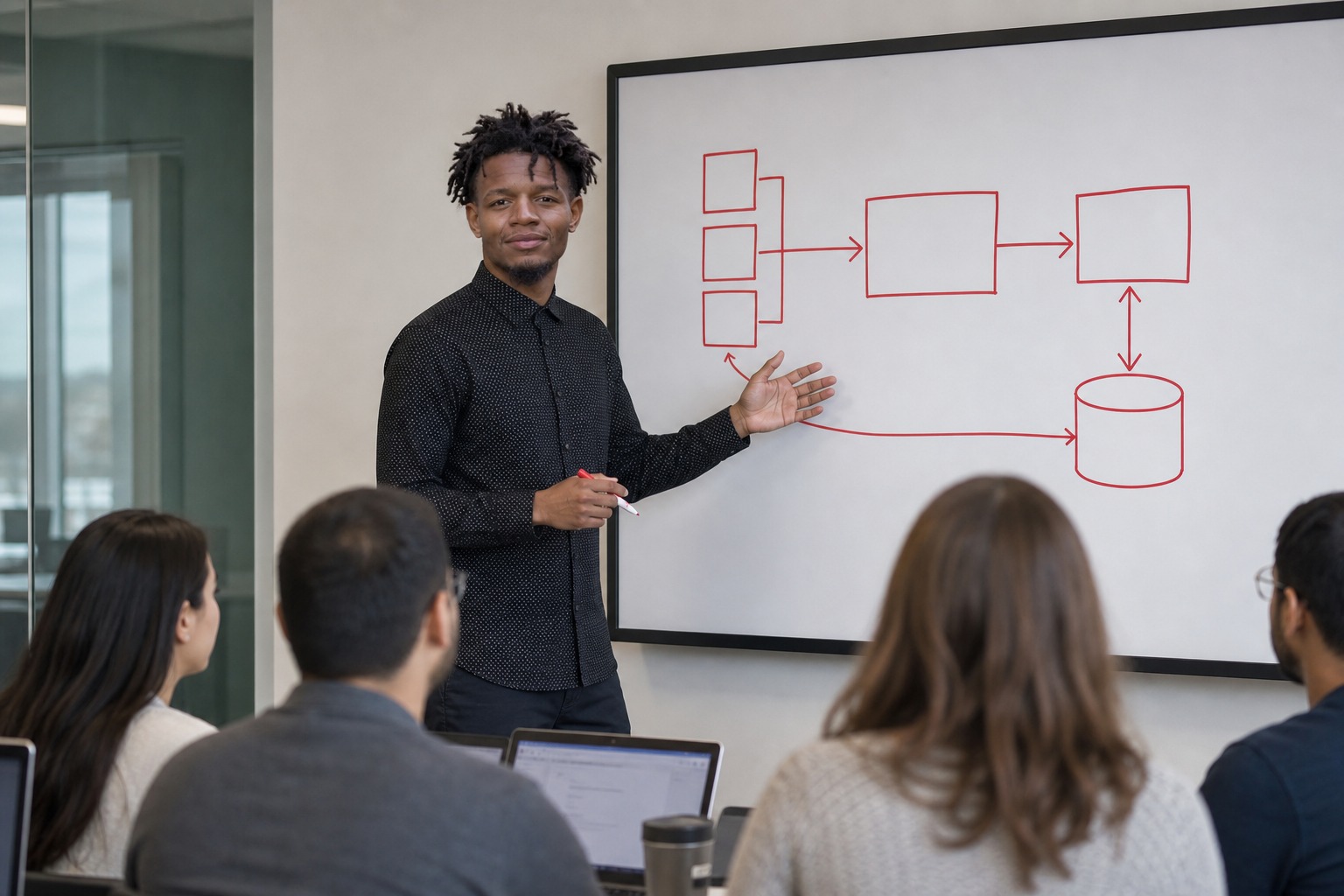
The next step after writing code is learning how to design systems that make decisions, recover from failures, and explain their behavior under pressure.